Shopping for a reliable used car in the wide open landscapes of Yukon Koyukuk AK starts with local market knowledge. This research hub explains what affects pricing, availability, and long term ownership costs in communities like Galena, Fort Yukon, Tanana, Huslia, Nulato, and beyond. We break down seasonal demand shifts, the premium on four wheel drive and all wheel drive, mileage and maintenance patterns in Arctic conditions, and how shipping and logistics can influence total cost. Whether you plan to pick up a truck for subsistence work, an SUV for family travel on gravel, or a compact for town errands, you will find practical data and tips tailored to rural Alaska. Use this page alongside our used-inventory and sold-inventory insights to benchmark asking prices, confirm fair value, and understand what features truly matter on the Yukon and Koyukuk rivers.
This guide compiles local pricing signals, vehicle condition cues for cold climates, and shipment considerations so you can buy with confidence. Compare current listings in used-inventory with historical patterns from sold-inventory, and explore deep dive articles in blog. If you have questions after reviewing the data, learn more about our team at about-us or connect through contact-us.
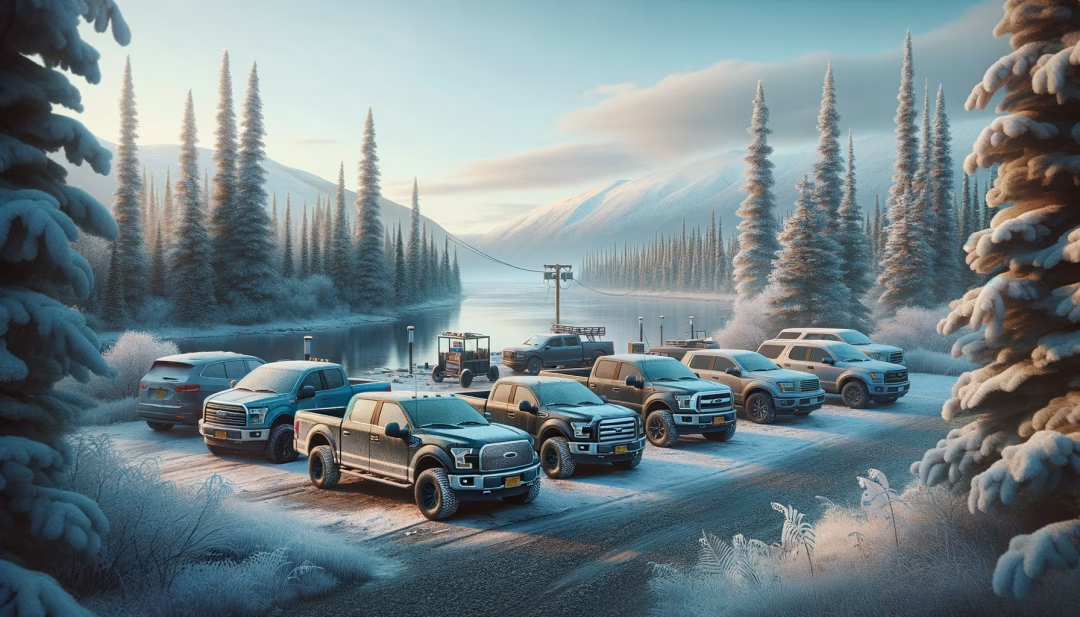
The Yukon Koyukuk region covers thousands of miles of river corridors, rural roadways, and winter trails. That geography influences what vehicles are in demand and how much they cost. Trucks and body on frame SUVs command consistent interest for cargo, towing, and winter traction. All wheel drive crossovers with block heaters, remote start, and strong batteries are also popular for daily use. Seasonal shifts are clear. Late summer and early fall often bring a bump in buyer activity as residents prepare for freeze up and winter road travel, which can create temporary price firmness. Spring thaws can reduce movement, and listings may sit longer, offering negotiation room for buyers who can be flexible on timing.
Shipping and access play a large role in total cost of ownership. In many Yukon Koyukuk communities, vehicles arrive by barge, small carrier, or a combination of highway and air routes. That logistics cost becomes embedded in asking prices. Fuel, tires, and preventative maintenance budgets are also higher in remote Alaska, so shoppers place a premium on proven reliability, service records, and cold weather packages. Because replacement parts can take longer to arrive, simple mechanical layouts and widely available components are often preferred over niche tech packages. Understanding these local realities will help you separate a solid deal from a risky one.
Cold starts, gravel roads, and freeze thaw cycles test every system on a vehicle. When evaluating options, consider durability, corrosion resistance, and service history ahead of cosmetic details. A truck with a clean undercarriage and consistent fluid changes is likely a smarter purchase than a newer model with spotty records. Block heaters and battery warmers are essential. Tire condition and type matter as much as odometer readings. Finally, invest in thorough pre purchase inspections when possible, or request detailed photos and videos of underbody and frame components if you are remote shopping.
Timing can improve both selection and leverage. As winter approaches, demand for trucks and capable SUVs rises, while in shoulder seasons some sellers reduce prices to avoid storage costs or expedite moves. Watch inventory patterns in used-inventory for a few weeks to spot how quickly comparable vehicles sell. Track sold-inventory to understand what actually clears the market and at what price points. When you see a vehicle type repeatedly selling within a few days, expect less negotiation room. If similar units linger for two or more weeks, pricing may be flexible, especially if winter ready features are missing or tires need replacement.
Total cost is more than the purchase price. Factor in shipping from a hub city, possible barge handling, and any last mile transport. Confirm whether the seller can assist with documentation and loading. In remote Alaska, buyers often budget for preventive service right away, including oil, coolant, transmission fluid, brake service, a battery health check, and updated wiper blades and filters. Tires are a major line item. If you need studded or severe snow rated tires, ask for a quote before purchase to prevent surprises. Carry a contingency fund for weather delays that affect transport schedules.
Usage patterns in Yukon Koyukuk favor vehicles that handle rough roads, heavy loads, and extended cold. Half ton and three quarter ton pickups are widely used for hauling and towing. Body on frame SUVs with true four wheel drive are valued for ground clearance and durability. Crossovers with all wheel drive serve well for daily commuting, school runs, and errand loops between communities. Sedans and compact cars can make sense for in town travel with proper tires and a focus on low operating costs, but they are less common outside road connected areas or in deeper winter.
A convincing listing in rural Alaska includes specific cold weather details and clear documentation. Look for high resolution photos of the undercarriage, suspension, and engine bay. Ask for videos of a cold start if possible. Study service records for battery and charging system checks, coolant flushes, and regular oil changes. Inspect Carfax or similar history for accident gaps and ownership stability. Compare the unit against recent transactions in sold-inventory to validate price. Finally, evaluate seller responsiveness and transparency. Quick answers and complete records are strong positive signals in remote transactions.
Financing for rural Alaska may require additional documentation of income and residence, and lenders sometimes tailor terms based on transportation and repair risks. Review lender options and rate patterns to align your budget with a realistic monthly payment, and test insurance quotes on likely candidates before you commit. If you are exploring second chance financing or want to prepare paperwork in advance, our financing pages across Alaska can guide expectations and documentation checklists.
Studying nearby hub markets can improve your negotiation plan. Anchorage and Fairbanks North Star typically show larger selection and tighter price bands, while coastal regions face different corrosion patterns and shipping routes. Reviewing several Alaska market research pages helps you spot regional premiums and decide whether to buy local or ship from a hub. Use these related research pages to round out your view.
Use these pages to deepen your research, review policies, and keep learning about smart buying in Alaska.
Continue your Alaska market study with these additional pages, which highlight regional quirks that may influence whether you buy local or ship from a hub.