Shopping for a used car in North Slope AK comes with unique priorities. Arctic conditions, long distances, and limited service centers mean choosing a dependable vehicle is essential. This guide explains how to evaluate used vehicles for cold weather, compare financing options, and plan ownership costs so you can make a confident decision. Learn what to look for in 4x4 systems, block heaters, battery health, and tires, plus how to interpret vehicle history reports and schedule inspections. Explore budgeting strategies, credit tips, and how to prepare for registration, insurance, and maintenance in Alaska. You will also find links to used inventory, local market research, and financing resources to help you move from research to keys with clarity. Whether you commute within a village or tackle the Dalton Highway, use this page to choose the right vehicle and protect your budget for the long haul.
The best used car for North Slope AK is one that starts every time in the cold, grips on ice, and fits your daily routes and cargo. Use this guide to compare body styles, AWD and 4WD systems, fuel types, and features like remote start and heated accessories. When you are ready to explore choices, review used inventory, financing options, and market research from our internal links below.
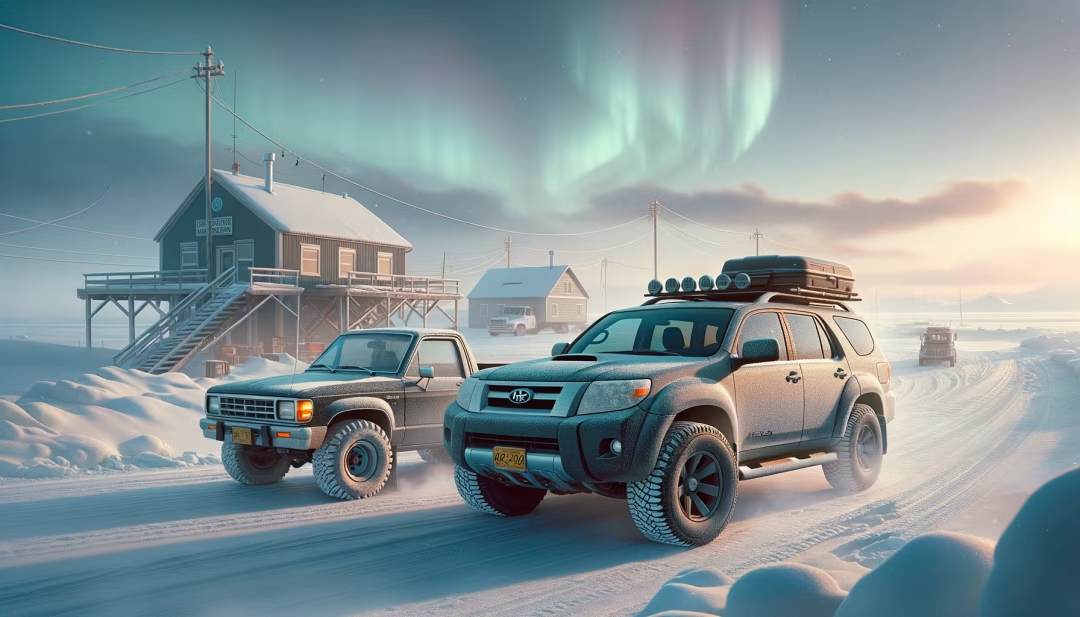
In Arctic and subarctic climates, reliability and winterization are more than conveniences. They are must haves. Start by defining your primary use cases. Do you regularly drive on packed snow or ice, haul equipment, or navigate unmaintained roads. If so, prioritize ground clearance, robust all wheel or four wheel drive, and winter rated tires. If you travel between communities or cover long highway stretches, emphasize fuel economy, comfort, and a proven maintenance record. For mostly village driving, durability and cold start performance may matter most.
A thorough inspection tailored to North Slope conditions helps avoid surprises. Request service records and a vehicle history report. Have a trusted technician evaluate the cooling system, charging system, and seals that can harden in extreme low temperatures. Underbody corrosion control is especially important if the vehicle spent time on salted roads downstate.
Price is only one part of your ownership picture. Calculate the realistic monthly cost by including estimated fuel, insurance, maintenance, tires, and any shipping or travel for service. Cold climates can increase battery replacement frequency and tire wear. Plan a winterization budget if the vehicle lacks a block heater or proper tires.
Financing can help you access a newer, safer vehicle with lower miles. Review your credit profile, estimate your budget, and compare offers. If your credit is still building, second chance programs and local lending partners may provide flexible terms with responsible payment reporting.
Explore these resources to prepare your financing plan:
To strengthen your application, gather proof of income and residence, know your monthly target payment, and prepare a realistic down payment. A larger down payment may reduce interest costs and improve approval odds. If you have a trade, its equity can also lower the amount you finance.
Vehicle availability can shift quickly in Alaska, and prices may differ from lower 48 trends due to freight and seasonal demand. Reviewing high level market data helps you set fair expectations and move decisively on the right vehicle.
Use these localized research pages to compare pricing and popular models across Alaska regions:
A smart test drive mirrors real use. Cold starts, slow speed maneuvering on slick surfaces, highway speeds, and mild off pavement where safe will tell you how the vehicle behaves. Listen for drivetrain whine, feel for vibration, and watch transmission shift quality in low temperatures. If possible, start the vehicle after it has sat for several hours to assess cranking speed and idle stability. Confirm that the heater warms the cabin quickly and the defroster clears glass evenly.
Before you finalize, review the title status, bill of sale details, Odometer Disclosure, and any lien release requirements. Alaska registration and plate transfer rules can vary, so verify fees and emissions or inspection requirements for your location. Keep copies of every document, including warranty terms and any promised repairs documented on a due bill.
If the vehicle originates outside the North Slope, estimate shipping costs and timelines in your budget. Ask about transport insurance, photos before shipping, and pre shipping inspection summaries. Once the vehicle arrives, schedule a baseline service to establish a maintenance record, including oil change with the correct viscosity, coolant check, brake inspection, and battery test. Consider rust protection if the vehicle will see salted roads during travel outside the region.
Set a maintenance calendar. Cold climates reward proactive care, especially for fluids, belts, hoses, and tires. Store an emergency kit with jumper cables, a compact shovel, traction aids, and warm layers. If you park outdoors overnight, a quality battery maintainer can extend battery life. Keep a second set of keys and consistently use known good fuel to avoid water contamination and gelling in diesel models.
After you outline your budget and must have features, browse vehicles that fit your plan and compare similar models. Use these links to continue your research, learn about financing, and understand local pricing trends across Alaska communities.