This guide brings together used car market research tailored to Prince of Wales-Hyder, AK. Remote geography, marine climate, and limited road networks shape real demand for dependable trucks, all wheel drive SUVs, and well kept compact vehicles that handle ferry trips and village drives. Here you will find local pricing influences, vehicle recommendations, inspection tips for coastal conditions, and financing guidance specific to Alaska buyers. We also explain how to compare listings, read condition details the right way, and calculate ownership costs that include shipping, corrosion protection, winter prep, and fuel. Whether you are searching for a half ton pickup for hauling or a compact SUV for daily errands, this page equips you with practical steps to research smarter and purchase with confidence. Use the insights below to evaluate options on our site, compare with regional trends, and prepare for a smooth paperwork process across the borough.
Local factors matter in Prince of Wales-Hyder. Salt air, frequent rain, and ferry logistics can affect pricing, condition, and timing. The sections below outline the most important data points to track, from underbody rust checks to total cost of ownership. Cross reference these tips with current listings on our site and archived sales data to understand fair value in today’s Alaska market.
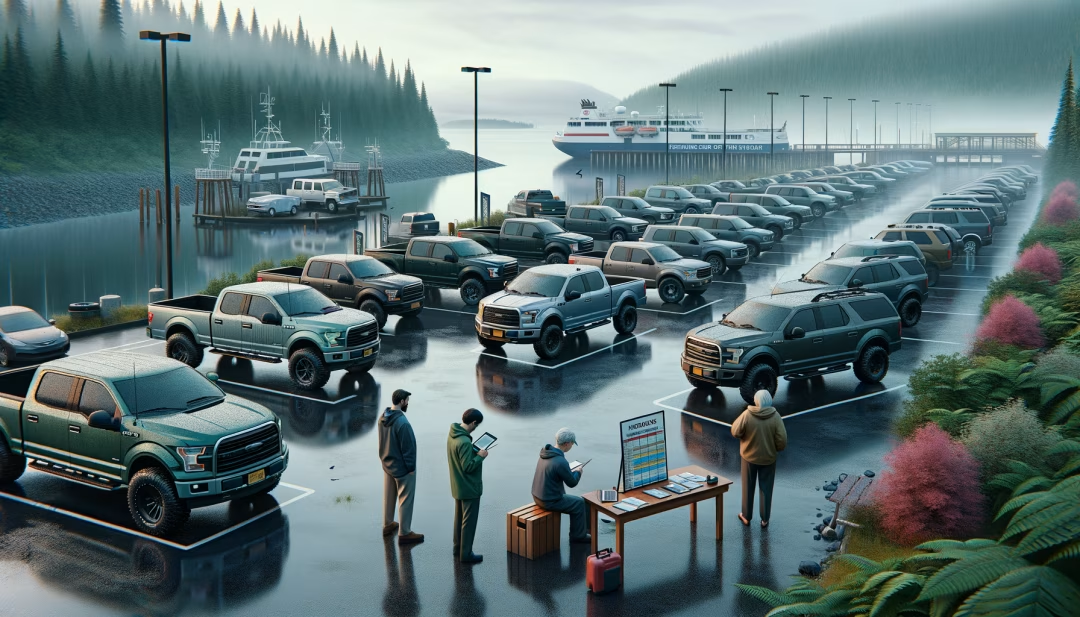
Used vehicle shopping in Prince of Wales-Hyder is different from shopping in large road connected hubs. Island and coastal access mean more planning for shipping and seasonal availability. Road surfaces can vary from paved stretches to gravel, with frequent rain and winter conditions that reward traction control, all wheel drive, and solid tires. Salt air and moisture raise the importance of corrosion prevention and thorough underbody inspections. These realities influence pricing and the mix of models that hold value locally. Solid research helps you understand the premium for trucks and capable SUVs, the discount for features less useful in remote areas, and the cost of preparing a vehicle for life near the ocean.
In this borough, demand typically leans toward four wheel drive or all wheel drive platforms, moderate to higher ground clearance, durable interiors, and proven reliability. Shipping windows may cluster inventory arrivals, which can temporarily tighten or loosen prices. Popular models often include half ton pickups, midsize trucks, and compact to midsize SUVs with efficient four cylinder or V6 engines. Hybrids and plug in hybrids appear more frequently than a few years ago, but battery health verification and cold weather performance remain important evaluation steps. Sellers may adjust prices for corrosion prevention work, block heaters, studded or severe snow rated tires, and maintenance history that matches coastal use. Expect well documented service records to increase buyer confidence and value.
The most versatile choices combine traction, cargo flexibility, and manageable ownership costs. Half ton pickups are favored for hauling gear, pulling small boats, and navigating mixed surfaces. Midsize trucks can lower purchase price and fuel use while staying capable. Compact and midsize SUVs provide a balance of efficiency and all weather confidence. Compact cars with high ground clearance or all wheel drive trims serve drivers who value fuel economy and smaller ferry fees. Prioritize rust protected examples and proven drivetrains that mechanics in Southeast Alaska see regularly.
Organize your research with a process that blends local inventory checks and data from recent regional sales. Start with availability and trim level features that matter for coastal living, then layer in price comparisons from similar condition vehicles. Track each candidate vehicle in a simple spreadsheet so you can spot fair value quickly.
Financing terms vary with credit profile, vehicle age, and mileage. In remote boroughs, lenders often prefer reliable models with steady resale demand. It helps to prepare documentation early and understand realistic monthly ranges before you pick a specific vehicle. Explore regional financing resources to compare structures and documentation requirements.
Budget beyond the price on the windshield. Coastal Alaska ownership includes preparation for moisture and winter, plus occasional shipping. A realistic budget avoids surprises and helps you compare vehicles by the true cost per mile.
A thorough inspection is the backbone of smart market research. Look beyond cosmetic appeal and verify that key components are ready for wet, cold, and mixed surface driving.
History reports and service paperwork add context that raw mileage cannot. In a coastal environment, match reported ownership regions with visible corrosion patterns, and look for evidence of timely maintenance. Frequent oil changes, cooling system flushes, and differential services extend drivetrain life. If a vehicle was previously titled in a heavy salt region, rely on a lift inspection for a full view of the underside and suspension mounting points.
Seasonality and shipping cycles create opportunities. When several similar vehicles arrive together, you may see more flexible pricing within a narrow window. In shoulder seasons before winter or after, some buyers delay upgrades, creating short periods where a prepared offer wins. Negotiation works best when you present comparative evidence from current and recent listings, point to concrete condition strengths or weaknesses, and show you understand the true cost of ownership in this borough. Accurate research builds credibility and helps both sides agree on fair value quickly.
If you plan to trade in, gather maintenance records, ensure warning lights are addressed, and detail the interior to reflect attentive ownership. In coastal areas, small rust touch ups and a clean undercarriage can improve appraisals. Share tire age and battery test results to reduce uncertainty. A transparent file of receipts often offsets minor cosmetic age and supports a smoother valuation.
Studying nearby boroughs helps you estimate cross regional price spreads and availability. These pages provide context that complements local data.