Shopping for a used vehicle in Lake and Peninsula AK comes with unique considerations. Distances are vast, roads and weather are demanding, and shipping or pickup logistics often factor into your total cost of ownership. This research page brings together local insights on pricing trends, vehicle demand, climate focused inspections, and smart shopping strategies for communities across the Lake and Peninsula Borough. Whether you are comparing 4x4 trucks, all wheel drive SUVs, or efficient cars for mixed conditions, you will find practical guidance on model selection, condition checks, and budget planning. Explore ways to source inventory from statewide hubs, how to weigh mileage versus condition in Alaska, and how seasonality affects pricing. Use the resources and internal links to continue your research, see real examples in used-inventory and sold-inventory, and review guides from nearby markets for perspective. Make your next used car decision informed, confident, and Alaska ready.
In Lake and Peninsula AK, the smartest used car choices balance rugged capability with long term value. This guide explains what drives pricing in remote Alaska, which features matter most for cold weather reliability, and how to plan for shipping, maintenance, and financing. Compare insights with other Alaska market research pages, browse current listings, and study completed sales to understand true local market behavior before you decide.
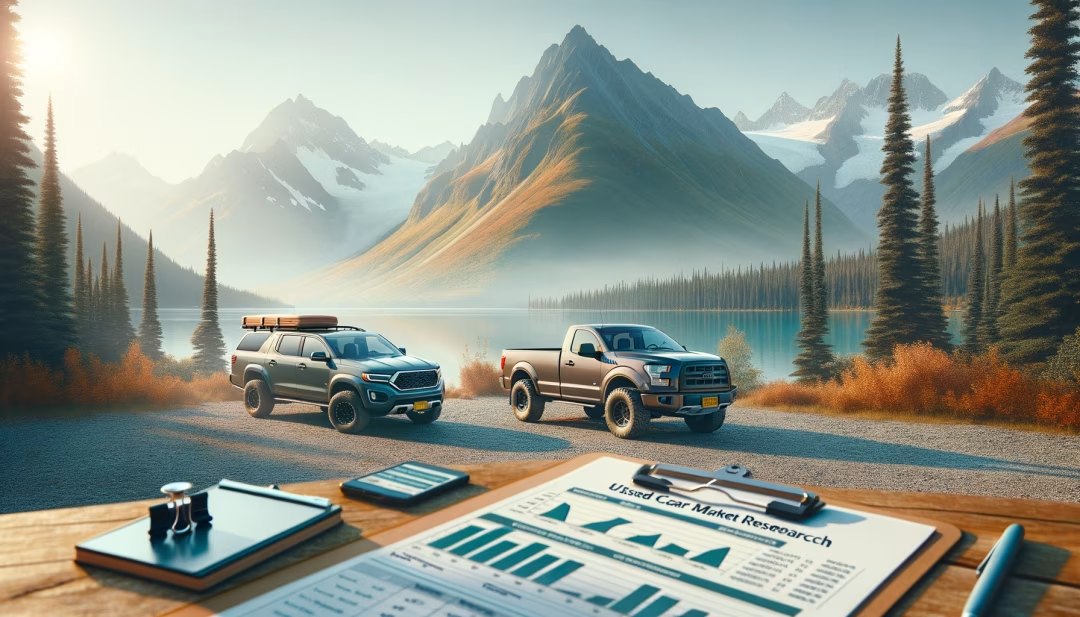
The Lake and Peninsula Borough is shaped by long winters, variable road access, and long distance supply chains. Those realities influence prices, preferred vehicle types, and the way buyers evaluate condition. While many vehicles are sourced from larger hubs like Anchorage or the Kenai Peninsula, shoppers here look closely at all wheel drive and four wheel drive capability, ground clearance, corrosion protection, cold weather packages, and strong service history. Because choices can be limited locally, your research often includes statewide search, shipping quotes, and a careful calculation of total ownership cost rather than price alone.
Used vehicle prices across Alaska reflect transport costs, limited local supply, and the premium for winter ready features. Trucks and body on frame SUVs generally command strong prices due to capability and durability in rough conditions. Crossovers with reliable AWD systems and good cargo capacity also hold value. Sedans and compact cars can be more affordable, but you will want to confirm snow ready tires, clearance limits, and winterization details. To interpret asking prices, compare listings in used-inventory and review actual outcomes in sold-inventory, then adjust for shipping, taxes, title fees, and any necessary service work after purchase.
In rural Alaska, capability and reliability are vital. Full size and midsize pickups with 4x4 systems provide traction and payload for mixed terrain. Body on frame SUVs handle cargo, passengers, and snow covered roads, while many crossovers balance economy with winter capability via dependable AWD. If you prefer a car, consider ground clearance, snow rated tires, and a proven cold start history. For any body style, cold climate accessories like battery warmers and block heaters reduce wear and improve performance in subzero starts.
A well documented service record can be more valuable than low mileage by itself in Alaska. Inspect for corrosion underbody and around brake lines, verify suspension health after rough road use, and test the charging system for cold weather stability. Scan for warning lights and history codes. Confirm the operation of 4x4 or AWD systems, and check tire age codes in addition to tread depth. Review windshield and lighting for chip or crack history. If buying from a distance, ask for a detailed photo and video walkaround and a third party inspection before you commit.
Many shoppers source vehicles from hubs and route them to Lake and Peninsula via barge, ferry, air cargo, or coordinated pickup. Clarify origin city, transport timeline, insurance coverage during transit, and last mile details. Ask for written quotes with pickup windows and weather contingencies. If your vehicle is coming from a page like used-inventory, request exact dimensions and weight for accurate freight bids. Keep a copy of the bill of sale, title details, lien payoff or release if applicable, and a checklist of keys and accessories shipped with the vehicle.
Budget holistically by combining purchase price, transport, taxes, any immediate service work, and an allowance for winter equipment. For financing, compare local bank and credit union rates alongside dealership options. If your credit is rebuilding, you can research paths in pages like second-chance-auto-financing-anchorage-ak and second-chance-auto-financing-kenai-peninsula-ak to understand documentation and approval strategies. Review used-car-financing-anchorage-ak and used-car-financing-fairbanks-north-star-ak for broader Alaska financing insights that often apply statewide. Build a payment target that accounts for higher winter fuel use and maintenance.
Selection often improves as summer transitions to fall when trade ins and new model introductions ripple through inventories. Prices can be firmer just before heavy winter when demand for 4x4 peaks. Late winter can show occasional value as buyers anticipate tax season and some owners consider selling. If you can time a purchase ahead of peak weather, you may also simplify shipping and arrival planning. Compare trends with used-car-market-research-anchorage-ak, used-car-market-research-kenai-peninsula-ak, and used-car-market-research-fairbanks-north-star-ak to see how broader Alaska timing affects availability.
Use the following resources to keep your search organized and local. Browse active listings, study completed sales, and read how to articles tailored to Alaska conditions. When you are ready to clarify documentation or policy details, review the visitor-agreement and privacy-policy pages. If you have a question about a listing detail or shipping requirement, reach out through contact-us.
Local markets influence each other across the state. Reviewing trends from nearby hubs can help you spot inventory patterns and pricing shifts that may reach Lake and Peninsula. Explore these regional research pages for context and strategy ideas:
Use this short checklist to keep your research on track as you compare vehicles and plan logistics. It summarizes the most important steps from pricing to paperwork.