Planning a used vehicle purchase in Northwest Arctic AK requires clear market insight. Our local research brings together pricing trends, availability patterns, and ownership guidance tailored to communities like Kotzebue and nearby villages. Inventory bound for the Arctic often reflects freight costs, seasonal demand, and the need for reliability in subzero conditions. That means trucks, all wheel drive SUVs, and crossovers with snow ready tires and block heaters consistently lead shopper interest and hold value well.
On this page you will find data driven tips for choosing the right body style and trim, how to account for shipping and winter prep, and how to compare listings from larger hubs with options better suited for tundra, gravel, and ice. Use the insights below to align budget with real world ownership, confirm quality with proven checks, and map a smooth path from search to delivery across the Northwest Arctic.
The information below outlines which vehicles perform best in Arctic conditions, how prices shift with season and freight, and what to review on any used listing before you commit. You can also explore current options in Used Inventory, learn from recent sales in Sold Inventory, and dive deeper with statewide research pages to benchmark pricing and features across Alaska.
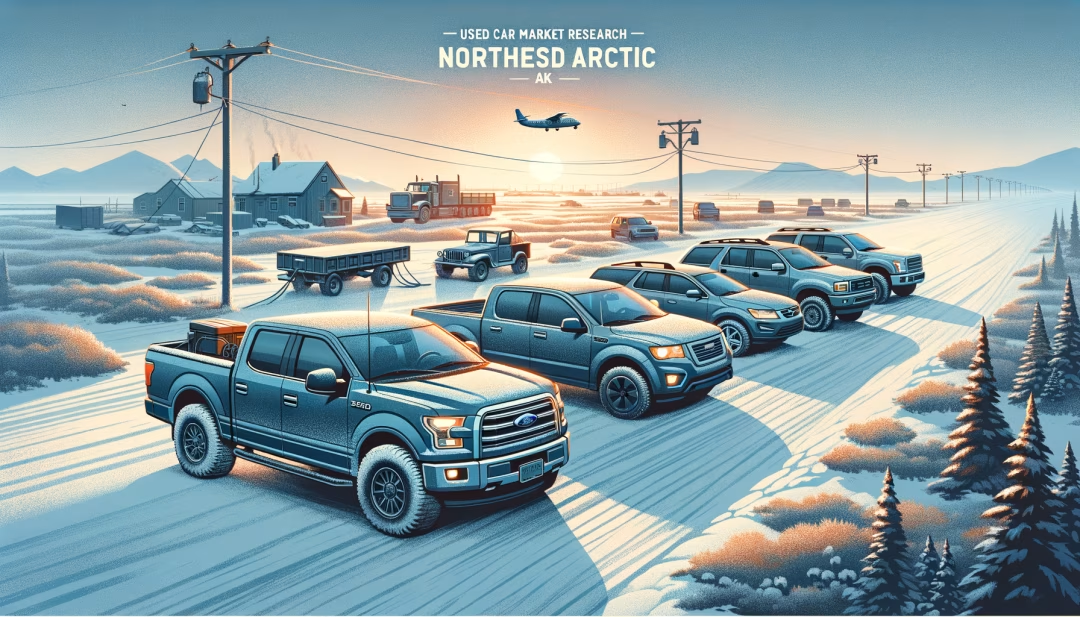
The Northwest Arctic Borough spans remote communities, limited road connections, and intense cold that tests vehicles year round. Freight, parts access, and service logistics influence both price and selection. As a result, models known for cold weather dependability, available four wheel drive, and corrosion resistance dominate demand. Listings sourced from larger hubs can be cost effective, but the savings must be weighed against shipping time, inspection needs, and seasonal timing. Shoppers who factor in winterization, block heaters, undercoating, and battery health tend to achieve better total value and fewer surprises after delivery.
Several inputs shape used vehicle pricing and availability for Northwest Arctic AK:
Seasonality matters. Late summer and early fall often bring active purchasing windows to prepare for winter, while spring can present opportunities as owners rotate inventory after the coldest months. Watching similar vehicles in Sold Inventory helps set a realistic target price for your shortlist.
Although many models can work in the Northwest Arctic, buyers consistently favor platforms that combine traction, ground clearance, and reliability. Popular choices include half ton and midsize pickups for hauling, all wheel drive crossovers for efficiency, and body on frame SUVs for road and trail versatility. Focus on trims that include cold climate packages and consider adding an engine block heater if not already installed.
Tires and battery capacity can make or break daily dependability. Confirm snow rated tires with adequate tread depth and age, and verify a strong battery with a recent test. A smart charger and battery blanket are practical additions in the Arctic.
Beyond the purchase price, total cost of ownership includes routine maintenance, winter prep, and the possibility of shipping parts or scheduling service. Budget for high quality synthetic oil suitable for cold starts, coolant rated for extreme low temperatures, and regular inspections of belts, hoses, and brake components. Protective undercoating and regular washes reduce corrosion on exposed metal. Keeping a spare set of winter wheels and tires can extend tire life and improve safety throughout long winter seasons.
The best listings for Northwest Arctic buyers include clear photos, verified service history, and detailed equipment notes. A strong inspection routine reduces risk and builds confidence before shipping.
Coordinating transport can be straightforward with the right plan. Many buyers source vehicles from hub markets and ship by barge during seasonal windows or by air when timing requires. Pre shipment inspections, detailed photo documentation, and fluid checks reduce transit issues. Ensure the vehicle has adequate antifreeze and battery health, and verify tire pressure and securement points before loading. Ask for clear delivery timing and tracking updates when possible.
If you are comparing hub market prices, review our statewide used car research library to benchmark costs and features. Regional differences can help you gauge whether a lower list price plus freight equals a true savings after winter prep and delivery.
Use these research pages to compare prices, features, and seasonal patterns across Alaska. Cross market comparisons can help balance selection, shipping time, and total cost.
Many buyers in remote areas plan financing with attention to total delivered price, including winterization and freight. If you are comparing options statewide, these resources can help you understand terms and documentation required for purchase and delivery.
Prepare income verification and identification early, and plan for insurance activation to match delivery timing. If you expect to operate mostly in subzero temperatures, discuss warranty coverage for batteries, starters, heater cores, and related components. Understanding payments and ownership costs before shipping begins makes the process smoother upon arrival.
Compare real listings and recent sales to set clear expectations. You can review available vehicles, study past transactions, and read guides that explain winter prep and Arctic ownership best practices.
For policies related to shopping and site use, visit privacy-policy and visitor-agreement. These pages outline how information is handled and the terms that guide online research and vehicle purchases.